
Medical Disclaimer: This material has been checked by our medical specialists for precision and is intended only for educational and informational purposes. It should not substitute for professional medical counsel, diagnosis, or treatment. If you think you are facing a medical crisis or medication overdose, contact 911 (or your local emergency services) immediately.
Adderall is a prescribed stimulant used to treat Attention-Deficit/Hyperactivity Disorder (ADHD). It contains mixed amphetamine salts that boost dopamine and norepinephrine activity in the brain, neurotransmitters involved in attention, motivation, and impulse regulation.
When used exactly as directed by a doctor, Adderall can greatly enhance concentration, decrease hyperactivity, and aid in academic, work, and social performance for those with ADHD. For many individuals, it is a safe and effective part of a comprehensive treatment strategy.
However, since Adderall is a central nervous system stimulant, it also poses a risk for misuse and dependence, especially when consumed in larger doses, more often than prescribed, or without a prescription. Like other Schedule II stimulants, it has recognized medical benefits but also a high potential for misuse.
In recent years, the prescription of stimulants for ADHD has risen significantly in the United States, partly due to better recognition of adult ADHD and increased access to care, including telehealth services. Adolescents, college students, and young adults are among the primary age groups prescribed these medications. Unfortunately, this availability has also led to nonmedical use, often described as using stimulants as “study drugs” to boost academic performance.
It’s crucial to note that misuse is not confined to any single age group. While teenagers and college students are at higher risk due to peer pressure and academic demands, adults of all ages might misuse prescription stimulants for productivity, weight reduction, or performance improvement. People with ADHD might also be at increased risk for substance use disorders, especially when symptoms are not adequately treated.
Regardless of age or background, using Adderall outside prescribed guidelines increases the risk of developing stimulant use disorder, heart issues, sleep disturbances, anxiety, and other mental health problems. Understanding both the therapeutic benefits and the risks of misuse is essential for making informed, safe treatment decisions.
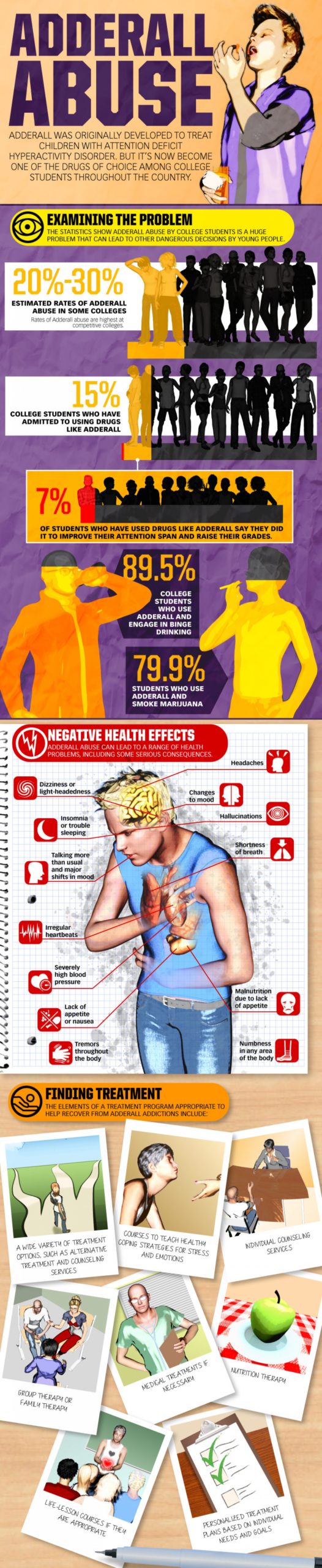
What’s the Timeframe for Developing an Adderall Dependency?
There is no set timeframe for becoming addicted to Adderall. Some people might develop harmful usage patterns within days or weeks, while others could misuse the drug for extended periods before meeting the criteria for stimulant use disorder.
The risk of addiction depends on various biological, psychological, and behavioral factors, such as:
-
Age
-
Body composition and metabolism
-
Genetics and individual brain chemistry
-
Co-occurring mental health disorders (like anxiety, depression, or ADHD)
-
History of substance use
-
Dosage and frequency of use
-
Method of administration (oral versus crushed, snorted, or injected)
Reasons Adderall May Lead to Dependency
Adderall enhances the levels of dopamine and norepinephrine in the brain. Dopamine is crucial in the brain’s reward system, encouraging behaviors that are enjoyable or productive. When Adderall is consumed in doses larger than recommended or without a prescription, it can lead to several effects. These include feelings of euphoria, heightened energy and focus, boosted self-assurance, and a decreased need for sleep.
However, once the effects of the drug diminish, individuals often encounter what’s known as a “crash.” This crash might involve symptoms such as tiredness, irritability, a depressed mood or depressive symptoms, and problems concentrating. These negative aftereffects can be quite challenging for users, as they contrast sharply with the initial positive feelings.
This cycle of brief stimulation followed by a crash can encourage repeated use of the drug. Many people might consume more Adderall to prevent these withdrawal-like symptoms or to re-experience the desired effects. Unfortunately, this pattern of use raises the risk of developing an addiction, as individuals strive to maintain the drug’s initial benefits while avoiding the unpleasant crashes.
From Tolerance to Reliance to Addiction
Addiction usually develops through a series of stages:
-
Tolerance
With repeated misuse, the body adjusts to the drug’s presence, requiring higher doses to achieve the same effects.
-
Physical Dependence
The brain starts to depend on the drug to maintain neurotransmitter balance. If usage stops suddenly, withdrawal symptoms may occur, such as:
-
Severe tiredness
-
Depression
-
Sleep problems
-
Increased hunger
-
Strong cravings
-
Stimulant Use Disorder (Addiction)
Addiction is identified when a person continues using the substance despite harmful consequences, experiencing impaired control over use, cravings, and functional difficulties.
Not everyone moves through this process at the same rate. More frequent and heavier misuse considerably raises the risk. Methods that deliver the drug more quickly into the bloodstream, like crushing and snorting or injecting, can increase addiction potential by producing a faster and more intense dopamine release.
Individuals with existing mental health conditions affecting impulse control or emotional regulation may also be more susceptible to developing problematic use patterns.
A Significant Clinical Viewpoint
While the risk of addiction is genuine, it’s crucial to differentiate between therapeutic use with medical oversight and nonmedical abuse.
When used as directed and overseen by a qualified healthcare provider, Adderall can be safe and effective for managing ADHD.
Addiction typically arises when the medication is used in ways not advised by a healthcare professional, such as increasing the dose, using it for recreation, or obtaining it without a prescription.
If you’re worried about your Adderall use or find it hard to stop, a healthcare center like California Behavioral Health can offer a confidential evaluation and discuss evidence-based treatment options. Early intervention enhances outcomes and lowers the risk of long-term issues.
Addressing Adderall Addiction
Adderall dependence is a significant issue, but unlike some drugs, withdrawal symptoms are typically not life-threatening. This allows many people to start recovery without needing medically supervised detox. Nonetheless, professional treatment is crucial for effectively managing cravings, addressing co-existing mental health issues, and developing sustainable recovery skills.
Treatment for Adderall dependence is tailored to the individual and can occur across various levels of care. Inpatient or residential treatment offers comprehensive, structured care in a residential setting for individuals with severe dependence or co-occurring psychiatric disorders.
Partial Hospitalization Programs (PHP) provide daytime intensive therapy programs that allow participants to return home in the evenings. Intensive Outpatient Programs (IOP) offer regular therapy sessions several days a week, focusing on skill-building and relapse prevention. Outpatient treatment features adaptable programs for individuals with less severe dependence or strong support networks, emphasizing counseling, education, and ongoing monitoring.
Evidence-based therapies used in treatment might include Cognitive Behavioral Therapy (CBT), which helps patients identify triggers, manage cravings, and develop healthier coping mechanisms. Motivational interviewing encourages individuals to enhance their motivation to change and commit to treatment. Relapse prevention planning is essential as it provides strategies to foresee and handle high-risk situations, reducing the chance of returning to Adderall use. Integrated care for co-occurring conditions treats ADHD, anxiety, depression, or other mental health issues that may complicate recovery.
Following the completion of a treatment program, ongoing care and support, such as therapy, peer support groups, or continuous psychiatric management, are vital to maintaining recovery. These services help reinforce relapse prevention skills and minimize the risk of returning to Adderall use.
Achieving long-term recovery is possible with our personalized rehabilitation programs. Persistent participation in the supportive care services offered at California Behavioral Health. ensure that you have the tools and support to maintain enduring addiction recovery.
Seek Support for Adderall Dependency Now
If you or someone you care about is dealing with Adderall misuse or addiction, seeking professional help is an essential first step toward recovery. Stimulant use disorder can impact your physical health, mental wellness, and everyday life, but effective, evidence-based treatment can help you regain control.
It’s normal to feel anxious about beginning treatment, but trying to quit Adderall on your own can be difficult and might heighten the risk of relapse. Our customized rehab programs provide structured support, coping techniques, and personalized treatment plans to address both the addiction and any co-occurring mental health issues.
Early intervention enhances outcomes and can guide you or your loved one toward long-term recovery. Don’t delay, contact us today to take the first step toward healing and lasting transformation.